The Games You Keep: Inside 2026's Heirloom Game Movement
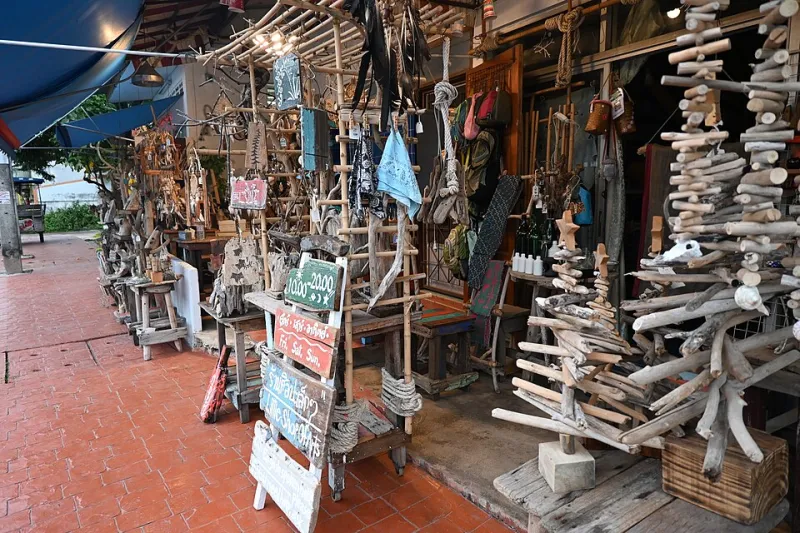
Photo: PattayaPatrol, CC BY-SA 4.0, via Wikimedia Commons
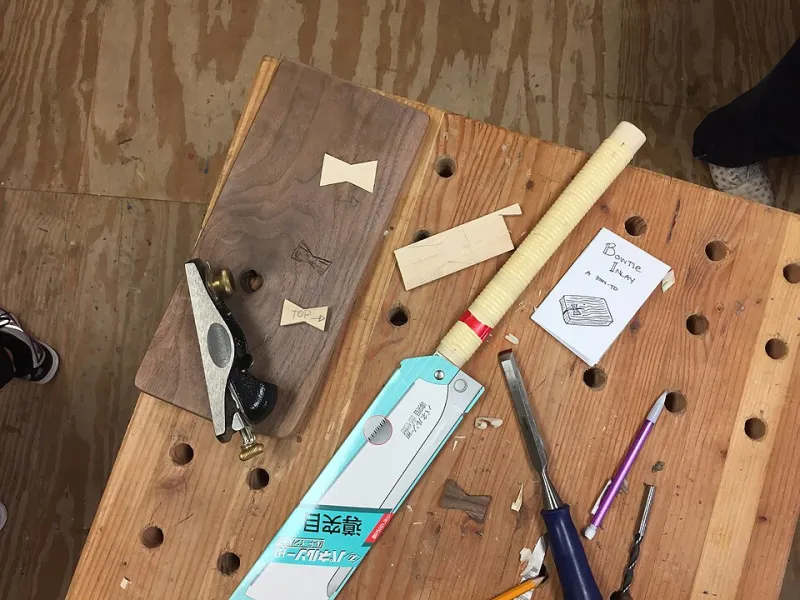
There's a particular kind of pride in finishing a handmade thing. Ask anyone who's built a cedar chest or quilted a throw blanket — the point was never mass production. The point was making one good object, then living with it.
A small but growing group of indie developers are bringing that mindset to games. Call them heirloom games: titles designed to be completed, displayed on a shelf (digital or literal), and passed around a friend group like a dog-eared paperback. And in 2026, they're having a moment.
Small on Purpose
Mara Chen, whose cozy workshop sim Lanternfold shipped in March to a devoted cult following, is blunt about why her three-person team capped the game at roughly eight hours of content.
"We could have stretched it to thirty," she told GamerKraft over a video call from her studio in Portland. "We had the systems for it. But every extra hour of filler would've diluted the twelve hours we actually cared about. A quilt with a weak patch in the middle is a worse quilt."
That philosophy — finish the thing, make every patch count — runs through the year's coziest releases. Porchlight, a letter-writing narrative game from a two-person team in Asheville, ends deliberately. No endless mode, no post-game grind. You finish it, and it stays finished.
"Players told us they felt almost sad it was over, but in a good way," says co-creator Deshawn Ellis. "Like closing a book you loved. Nobody asks a novel to generate procedural chapters forever."
The Anti-Live-Service
Part of what's driving the movement is fatigue. After a decade of games-as-a-service — battle passes, seasonal content, live roadmaps — a complete, finite game now feels almost countercultural. Heirloom games aren't trying to hold your attention forever. They're trying to deserve it once.
That changes the economics, too. Smaller scopes mean smaller budgets, which means fewer publishers demanding engagement metrics. Chen's team self-funded Lanternfold through a modest Kickstarter and a day-job savings account. "We never had investors asking why our retention curve dipped at hour ten," she laughs. "It dipped because the game ended. That's the feature."
Craft Beyond the Screen
Where the maker ethos really shows is in the physical extensions. Lanternfold sold out its first run of vinyl soundtracks in four days. Porchlight bundled a letterpress-printed set of the game's in-game letters — printed on a 1960s press Ellis restored himself. Fans have taken it further, knitting scarves based on a character's wardrobe and 3D-printing the game's iconic lantern.
"When someone crafts a physical object in response to your crafted object, that's the whole point," Chen says. "It stops being content and starts being a thing."
US-based indie retailers have noticed. Shops like Portland's Guardian Games and Brooklyn's Video Games Etc. report steady demand for boxed indie editions with art books and physical extras — the kind of shelf-worthy packaging that digital storefronts can't replicate.
Passed Around
The final test of an heirloom is whether it gets handed down. And anecdotally, these games are. Discord servers and Reddit threads for Lanternfold are full of players buying a second copy "for my sister" or gifting it to a coworker who just went through a rough patch.
"A live-service game wants a million players forever," Ellis says. "We wanted ten thousand players who each tell one friend. That math works. That math builds something that lasts."
It's a quiet rebellion, and it's stitched together from the oldest maker values there are: finish what you start, make it good, and let it be given away. The coziest games of 2026 aren't content pipelines. They're cedar chests. And people are keeping them.