Reading the Tea Leaves: What Six Months of Patch Notes Tell You About a Studio's Soul
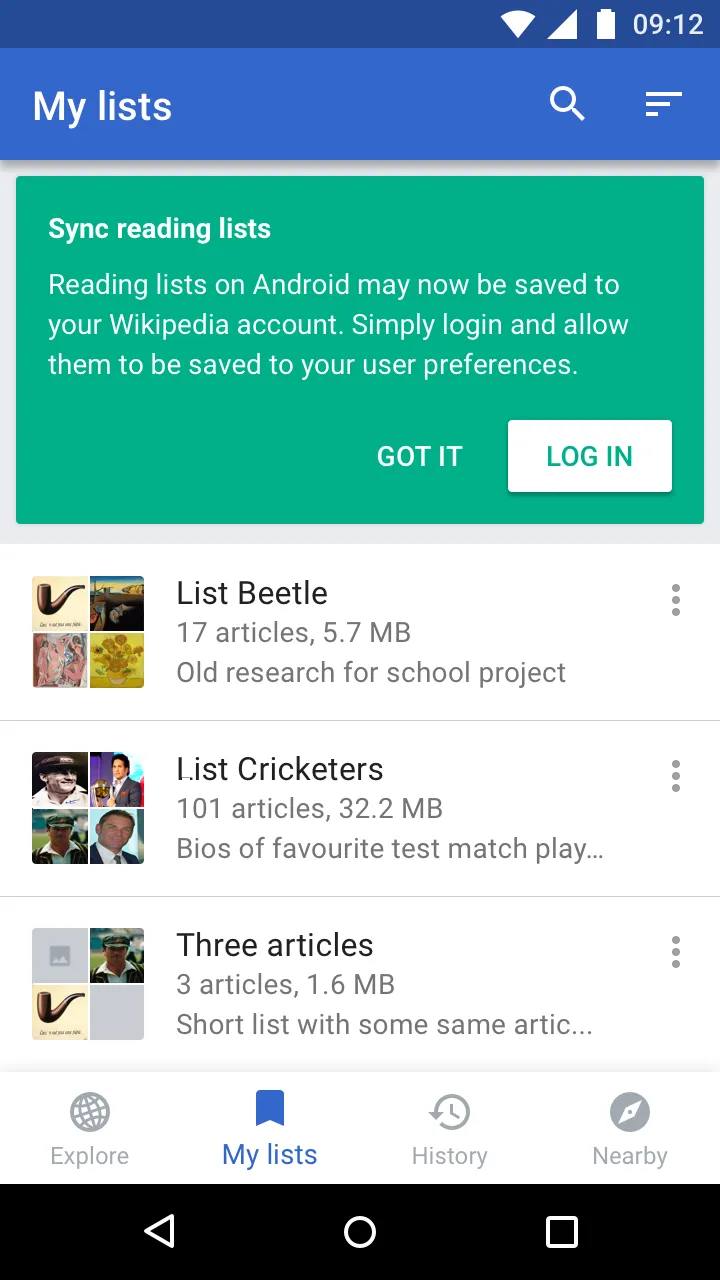
Photo: Rita Ho, Wikimedia developers, and the contributors of the English Wikipedia, CC BY-SA 4.0, via Wikimedia Commons
Launch day gets all the attention. The trailers, the review embargoes, the Discord servers lighting up at midnight — it's the fireworks show. But here at GamerKraft, we've started paying attention to something a lot less flashy and a lot more honest: the patch notes.
Because anyone can throw a party. Not everyone sticks around to do the dishes.
Patch Notes Are a Diary, Not a Receipt
Think about what a changelog actually is. It's a written record of what a team chose to spend its limited time on after the money was already in the bank. Nobody's buying the game because of patch 1.7.3. When a studio fixes a texture seam in a cave most players never visit, that's not marketing. That's craft.
The opposite is true too. When the notes dry up three weeks after launch, or every update is just a bundle price and a crossover skin, that tells you something as well. Silence is a patch note.
The Framework: Four Signs of a Studio That Cares
After combing through update histories from a pile of live-service games and indie favorites, we've landed on four telltale signs of real post-launch craftsmanship.
1. They fix things nobody asked about. Every studio fixes the game-breaking bugs — that's table stakes. But the teams that care also patch the stuff that affects twelve people. A quality-of-life fix for colorblind players, a tweak so your pet stops blocking doorways, a menu that finally remembers your settings. That's a team playing its own game on a Tuesday night.
2. They name names. When patch notes say "Fixed the bug reported by u/SnackBucketGames — thanks for the save file!" you're looking at a studio that reads its forums. Some of the best US-based indie teams have basically turned their changelogs into a conversation. It costs nothing and it builds a community that'll follow them to their next project.
3. They explain the why. "Reduced stagger duration on heavy attacks by 0.2 seconds" is a data point. "We felt heavy attacks were shutting down fights too often, so we've loosened that slightly — we'll keep watching" is a philosophy. Studios that explain their reasoning are inviting you into the workshop. Studios that don't are just turning the dial and hoping you don't notice.
4. They keep touching old content. Revisiting a zone from year one, rebalancing a weapon everyone forgot, adding an accessibility option two years post-launch — that's the surest sign a game is still loved by the people who made it. Nothing says "labor of love" like polishing something the roadmap forgot.
The GamerKraft Craft Grade: A Quick Report Card
We figured it'd be fun to grade some recent update habits on a simple A-to-F "Craft Scale." This is all in good fun — consider it a vibe check, not an audit.
No Man's Sky — A. The gold standard. Hello Games turned one of gaming's most infamous launches into an eight-year redemption arc, and the patch notes read like a love letter that never stops arriving. Every major free update still adds systems, not just skins.
Deep Rock Galactic — A. Ghost Ship Ships (yes, that's the studio) has spent years delivering seasonal content, community-requested tweaks, and patch notes written with genuine personality. When your changelog makes people laugh, you've won something.
Stardew Valley — A+. Eric Barone updating a game he made mostly by himself, for free, a decade in, because a fishing minigame still bugged him? That's the maker mindset in its purest form.
The middle of the pack — B to C. Plenty of big publishers do fine work — meaningful balance passes, solid QoL drops — but wrap it in battle-pass messaging and seasonal FOMO. The care is there; the love letter is stapled to a coupon.
The ghosters — D to F. You know the pattern: launch, two hotfixes, then months of nothing until a monetization update drops. If a studio's update history reads like a text conversation that ended with "k," believe the pattern.
Why This Matters More for Indies
For a small team, post-launch support is a promise with real teeth. There's no corporate safety net — every hour patching is an hour not spent on the next game. So when an indie studio keeps showing up in the changelog month after month, that's not obligation. That's devotion.
And it cuts both ways. Some of the most talented small teams we've spotlighted have had to go quiet on their first game to survive, and we get it — rent is real. But as players, we vote with our wishlists. A studio's update history is the best résumé it will ever write, and it's public. Read it before you buy.
Start Reading
Here's your homework: pick a game you love, pull up its patch notes, and scroll back six months. Look for the four signs. Feel the difference between a studio maintaining a product and a studio tending a garden.
Because the games we remember aren't just built well on day one. They're the ones somebody kept building, quietly, long after the fireworks were over.