Your Weekend Deserves Better: How 2026's Best Games Stopped Wasting Your Hours
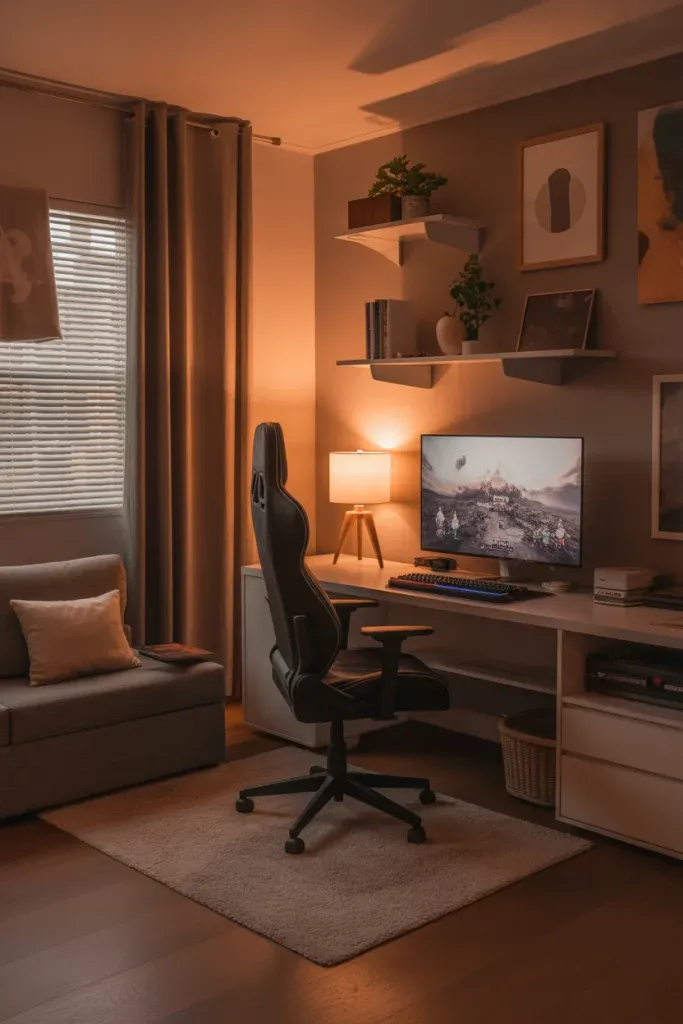
Photo: cozy gaming setup weekend evening warm lamp console, via nestmood.com
Remember when finishing a game felt like an accomplishment? Not because you ground out 120 hours of dailies, but because you actually saw the whole thing — beginning, middle, end — inside a month of Tuesdays?
Somewhere in the last decade, the industry quietly redefined 'value' as 'volume.' More map markers. More battle passes. More systems that tick over whether you're having fun or not. And a whole generation of players started treating games like a second job with worse dental coverage.
Then 2026 happened, and something shifted.
The New Flex Is Knowing When to Stop
The releases earning the loudest word-of-mouth this year — the ones dominating Steam wishlists and Discord channels alike — share a weird trait: they're short. Or at least, they're honest about their length. A ten-hour narrative game that ends when the story ends. A roguelike that respects your run instead of padding it with fake RNG. A sequel that trimmed the second act everyone skipped anyway.
This isn't laziness. It's the opposite. Cutting content is one of the hardest things a studio can do, because every system that makes the final build probably cost someone months of work. When a team ships twelve hours instead of forty, that's not less craft — that's more editing. It's a novelist choosing the good sentence over the safe one.
Compare that to the live-service titles still running their seasonal treadmills. Log in, check the vendor, do the three dailies, log off. The game isn't asking for your attention anymore; it's requesting your attendance. And players have started noticing the difference between I want to play and I'm afraid of falling behind.
Busywork Is Not Depth
Let's be clear about the distinction, because publishers love to blur it.
Depth is a system worth mastering — the way a good deck-builder rewards ten runs of failure with one genuinely earned victory. Busywork is a progress bar that fills only when you perform an activity you'd never choose voluntarily. Depth makes you better. Busywork makes you present.
The tell is usually in the first hour. If a game hands you a checklist before it's earned your trust — collect ten things, unlock the actual fun mechanic later, talk to these five NPCs to open a door you can see — that's a design document optimizing for retention metrics, not for you. Meanwhile, the best games of this year front-load their best idea. They lead with the hook because they're confident the hook is enough.
There's an economic angle here too, and it matters for a US audience watching every subscription and microtransaction line item: a crafted, complete game at $30 is a better deal than a 'free' game engineered to extract ninety. We do the math. We've started doing the math.
The Studio-Soul Connection
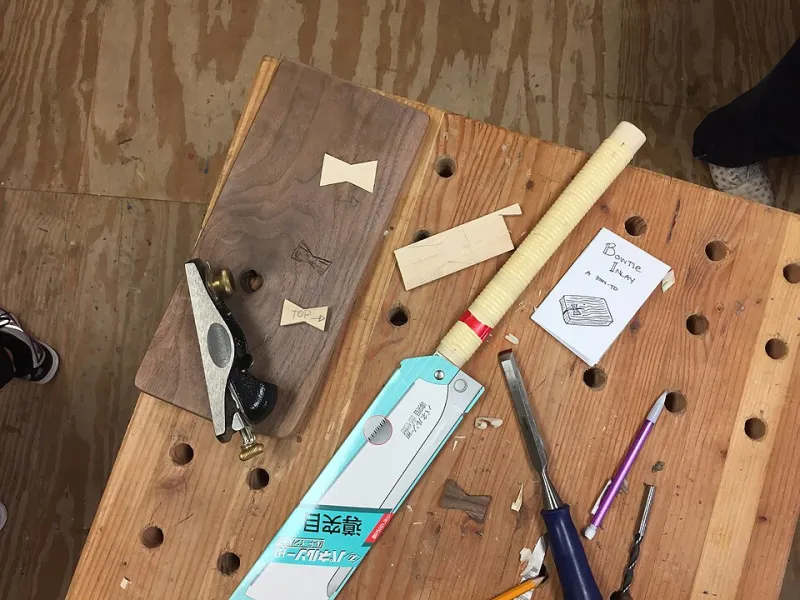
Here's the thing we keep coming back to at GamerKraft: you can read a team's values in their design decisions the way you can read a woodworker's values in their joints. Sloppy underneath, pretty on top? You'll feel it by hour three.
The studios shipping tight, complete experiences in 2026 aren't just making a stylistic choice. They're making an ethical one. They've decided their job is to give you a good time, not to keep you in the building. And ironically, that's the best retention strategy of all — we finish these games, we tell our friends, we buy the next one at full price on day one.
Small teams figured this out first, mostly because they couldn't afford not to. A four-person studio can't build a hundred-hour content farm, so they build eight brilliant hours instead. Big publishers are finally taking notes.
The Crafted-With-Care Checklist
Before you buy your next game, run it through this quick gut-check. Five questions, two minutes, saved weekends:
- Does the trailer show the actual game? If the marketing leans on cinematics and the gameplay footage is all UI, be suspicious.
- Can you name the core loop in one sentence? 'Explore a handcrafted island, solve physics puzzles, uncover the story' is a game. 'Progress through multiple layered progression systems' is a spreadsheet.
- Does it respect the off switch? Look for save-anywhere design, sensible session lengths, and no FOMO-driven login rewards. If the game punishes you for having a life, it's not a hobby — it's a subscription to guilt.
- Is the progression honest? Ask whether upgrades make the game more interesting or just make bigger numbers appear. Real progression changes how you play; fake progression changes how long you play.
- What are players saying at hour ten? Reviews that say 'I couldn't put it down' mean more than reviews that say 'I've logged 300 hours.' One is enthusiasm. The other is a timesheet.
No checklist is perfect, and yes — some of us still want a 200-hour RPG now and then. There's room for the epic. But the epic should earn every hour, not assume them.
Time Is the Only Currency That Matters
Between work, family, and the roughly four hours a week most of us actually get to play, time is the scarcest resource in gaming. The best studios of 2026 finally treat it that way. They build games you can finish, remember, and recommend — instead of games you merely maintain.
That's not a trend. That's a return to the craft. And honestly? It's about time.
What's the last game that respected your hours? Tell us in the comments — and if you've played something short and brilliant this year, we want to hear about it.